
Advanced RF & Microwave Solutions for LEO Satellite & Aerospace
Empowering Next-Generation Constellations with Ultra-Reliable, Lightweight, and Temperature-Stable Components
Industry Scenario & Pain Points
The dawn of the New Space era has brought an unprecedented boom in Low Earth Orbit (LEO) satellite constellations. However, the complex space environment presents formidable engineering hurdles. Unlike terrestrial telecommunications, aerospace and satellite applications operate in an unforgiving vacuum characterized by intense cosmic radiation, atomic oxygen erosion, and severe mechanical stress during the launch phase.
For RF and microwave passive components, these environmental extremes dictate stringent operational requirements. Engineers are constantly battling against the physical limitations of materials. The primary pain points revolve around the absolute necessity to minimize the weight and volume of devices without sacrificing electrical performance. Every extra gram placed into orbit exponentially increases the fuel requirements and overall mission costs.
Furthermore, LEO satellites orbit the Earth roughly every 90 minutes, transitioning rapidly between the searing heat of direct solar radiation and the freezing darkness of the Earth's shadow. This creates an environment where components must maintain absolute frequency stability and structural integrity despite extreme temperature fluctuations.
Critical Environmental Stressors
✦ High-Vibration Launch Profiles: Components must survive violent acoustic and mechanical shock during liftoff.
✦ Vacuum Outgassing: Materials must not release volatile compounds that could condense on sensitive optical or RF surfaces.
✦ Thermal Cycling Fatigue: Rapid expansion and contraction leading to micro-fractures in solder joints and waveguide structures.
The Core Challenges in Aerospace RF
The Extreme Limits of SWaP
In modern satellite payload design, SWaP (Size, Weight, and Power) is the ultimate metric. Launching a payload into orbit is astronomically expensive, often costing thousands of dollars per kilogram. Traditional RF components, particularly high-power filters, multiplexers, and isolators, are typically machined from heavy brass or thick aluminum to maintain electrical performance and Q-factor.
The challenge lies in engineering these passive components to meet the stringent weight restrictions of micro and nano-satellites without compromising their ability to handle high RF power levels. Miniaturization often leads to increased insertion loss and heat dissipation issues, creating a complex engineering paradox that requires innovative material science and advanced electromagnetic simulation to resolve.
Drastic Temperature Fluctuations (-55°C to +125°C)
Satellites in LEO experience a brutal thermal environment. As they orbit, they face direct, unfiltered solar radiation causing surface temperatures to spike, followed shortly by the deep freeze of an eclipse. This results in an operating temperature requirement ranging from -55°C to +125°C.
For RF filters and cavity resonators, this is disastrous if not properly managed. Metals expand and contract with temperature changes. Even a microscopic change in the physical dimensions of a cavity filter can shift its center frequency, causing signal degradation, adjacent channel interference, or complete loss of the communication link. Maintaining electrical stability across this 180-degree thermal gradient is one of the most significant challenges in aerospace RF engineering.
Our Cutting-Edge Solutions
Through decades of R&D in RF/Microwave technology, Leader Microwave has developed proprietary manufacturing techniques specifically tailored to overcome the harsh realities of space deployment.
Lightweight Waveguide & Cavity Filters
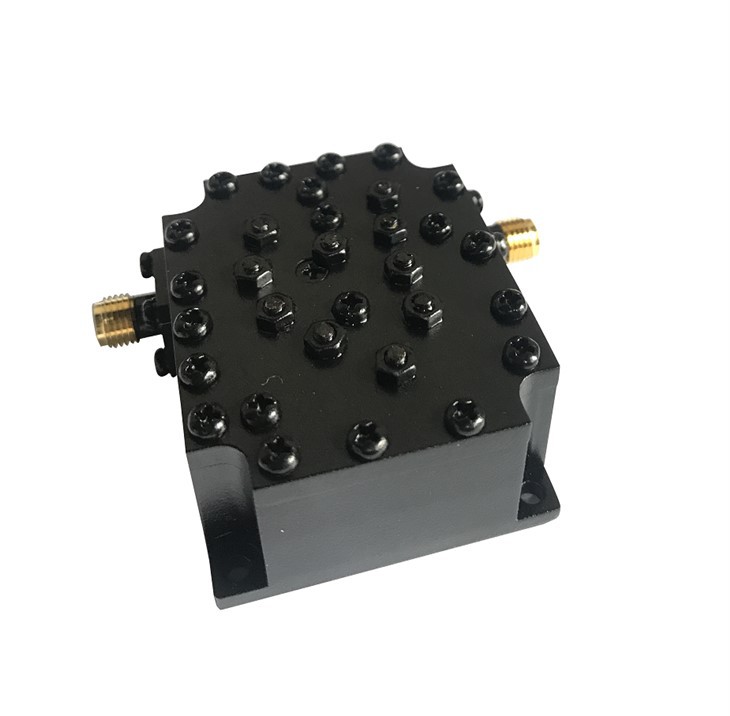
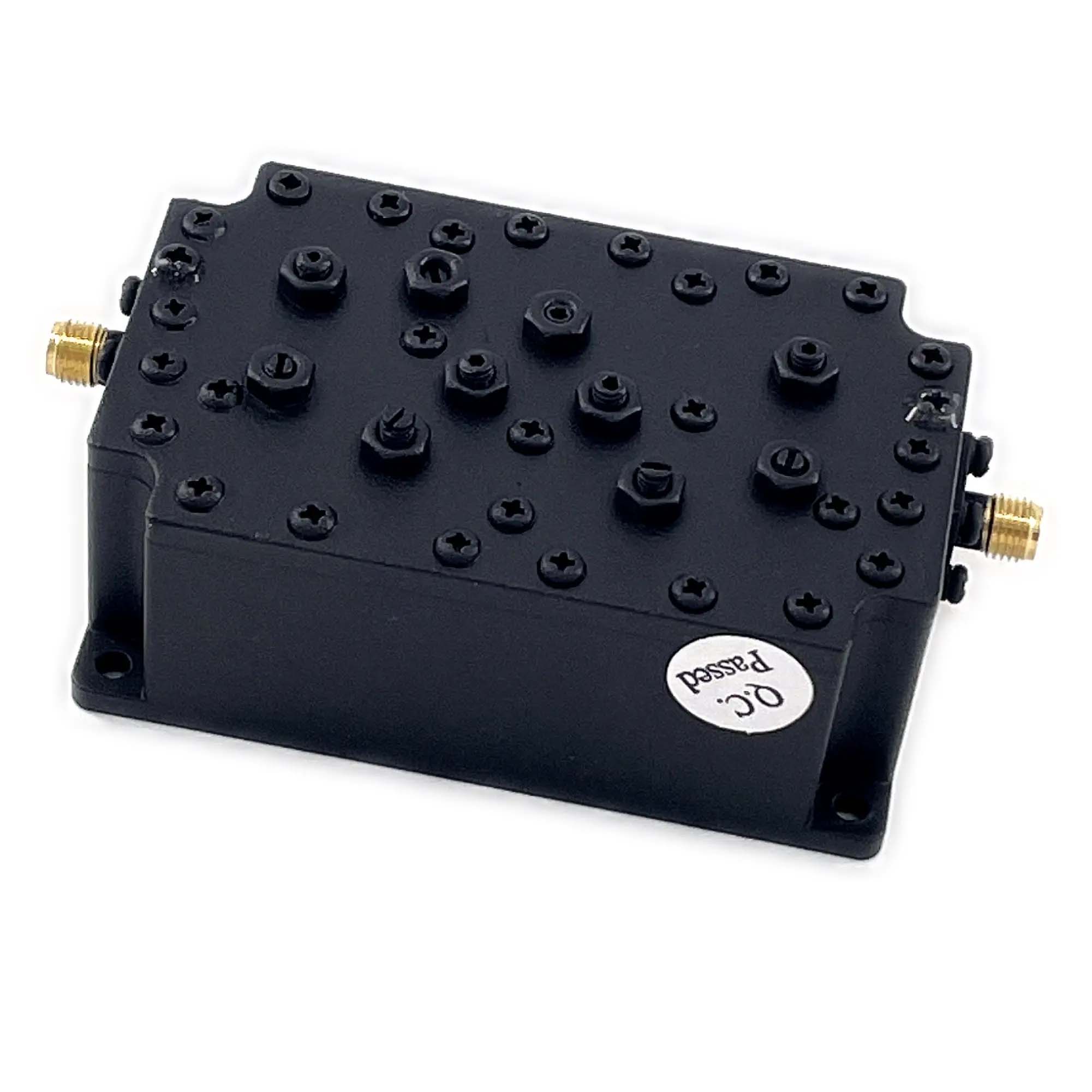
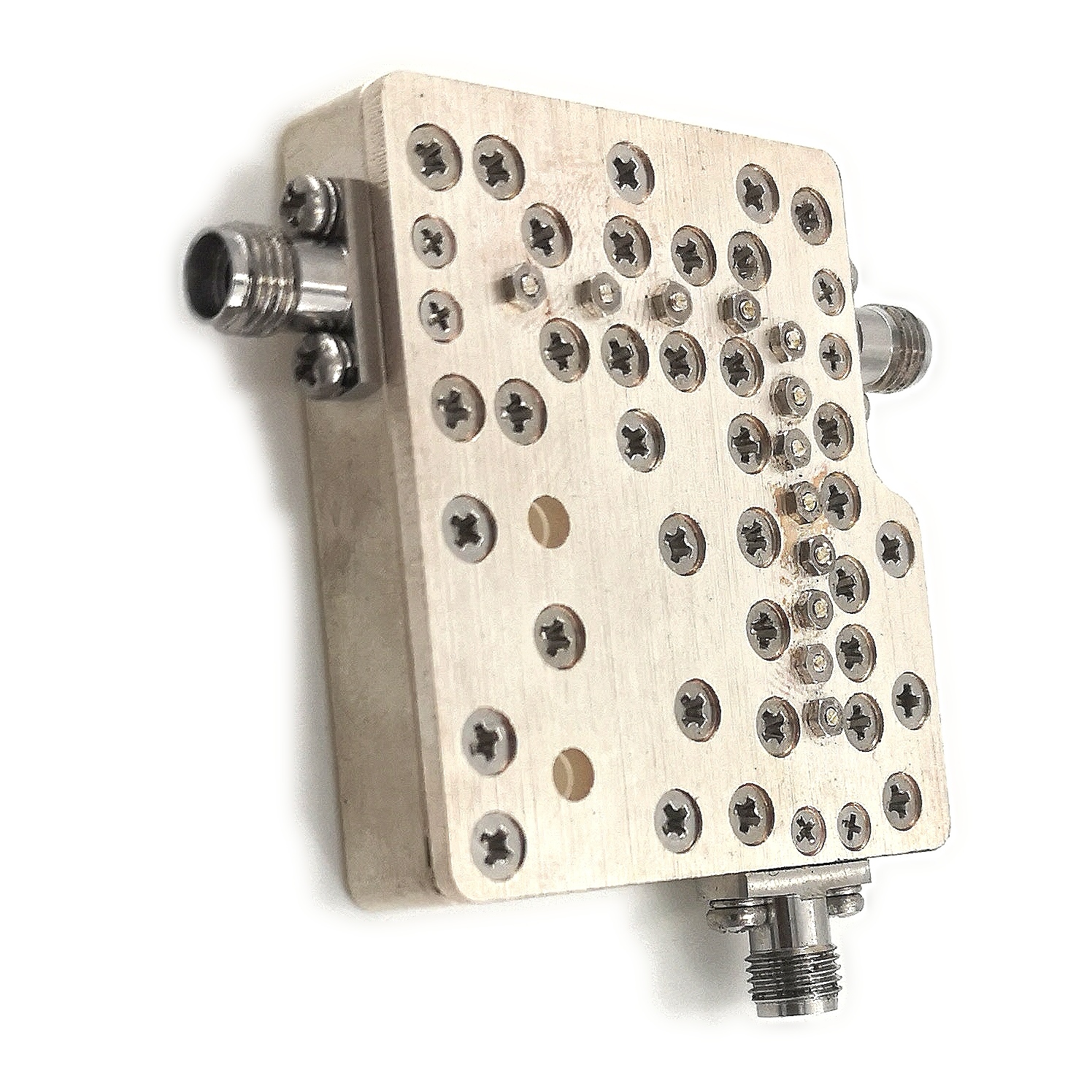
We utilize advanced thin-wall aluminum alloys and specialized composite materials to manufacture our space-grade filters. By employing precision CNC machining and structural topology optimization, we eliminate unnecessary mass while maintaining structural rigidity.
Result: A dramatic weight reduction of over 30% compared to traditional designs, directly translating to lower launch costs.
Unmatched Temperature Stability
To combat the -55°C to +125°C thermal cycling, our engineers employ proprietary temperature compensation techniques. This includes the use of Invar (a nickel-iron alloy with a uniquely low coefficient of thermal expansion) and bi-metallic structural designs that self-correct as temperatures shift.
Result: Exceptional frequency stability, ensuring a frequency drift of less than 2ppm/°C, keeping your signals perfectly locked on target.
High-Reliability Orbital Links
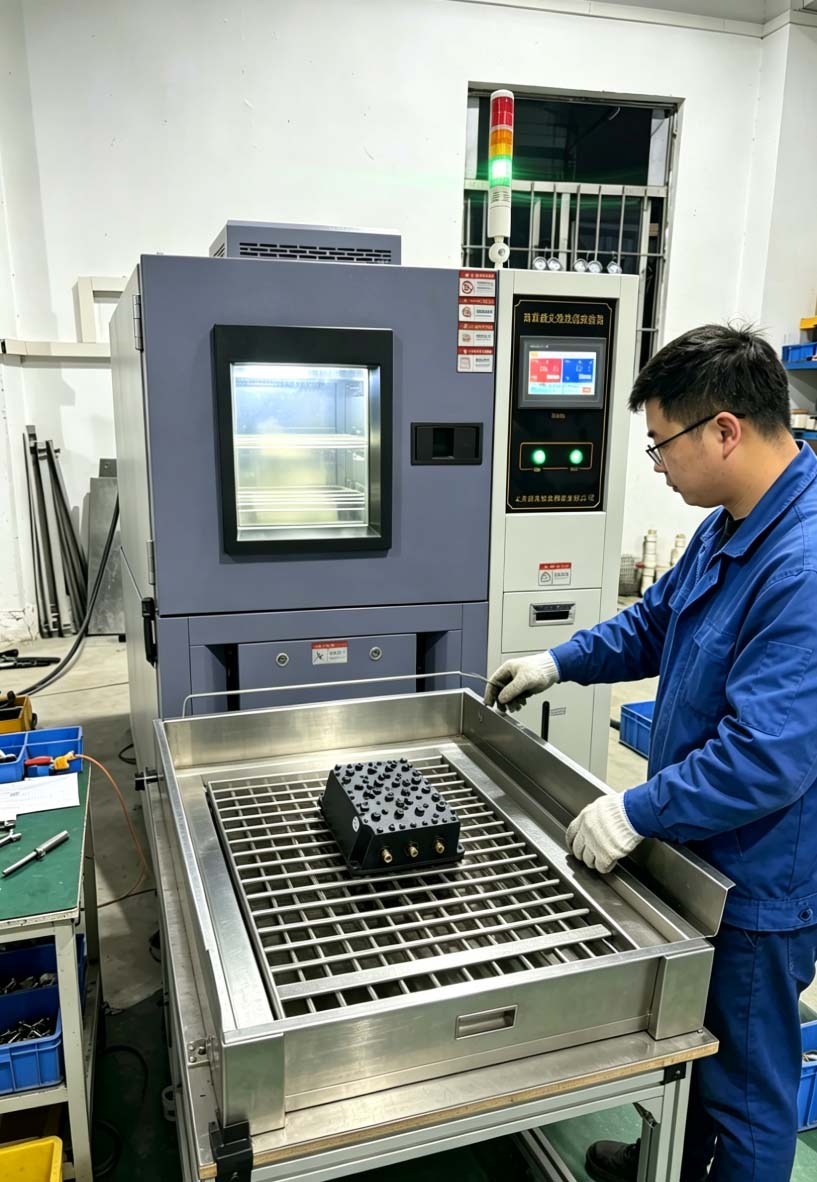
Cost reduction means nothing if the system fails in orbit. Our aerospace components undergo rigorous multipaction analysis, thermal vacuum (TVAC) testing, and vibration screening to guarantee they survive launch and operate flawlessly for the entire mission lifespan.
Result: Effectively reducing satellite launch payload costs while ensuring long-term communication link reliability in orbit.